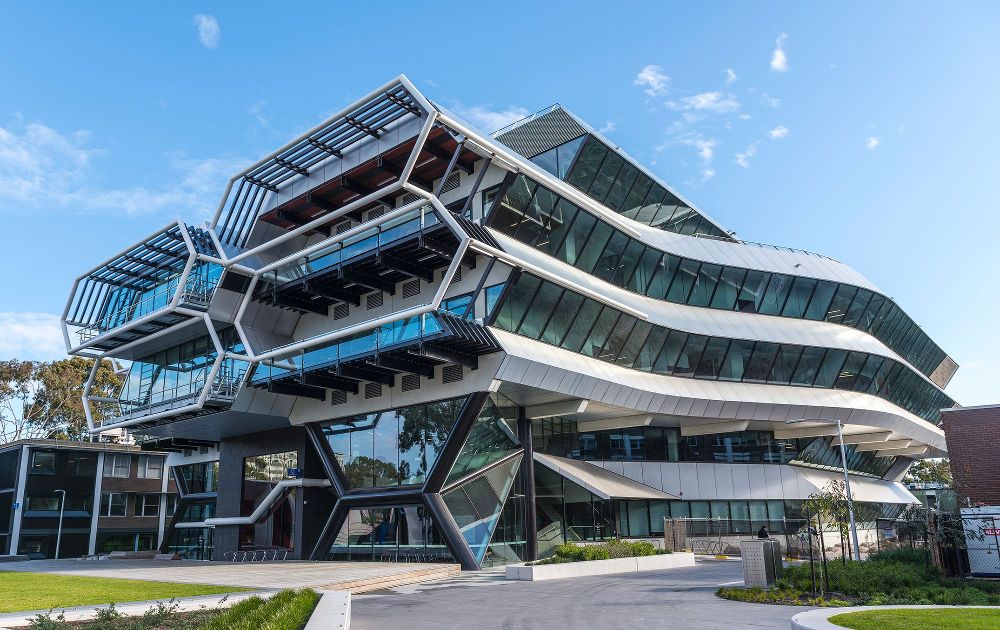
I looked into the Digital Curation Center (DCC), located in the UK, where I found an article and a bevy of useful resourcesfor future study, exploration, and use in the realm of digital data curation. The DCC, through a case study, examined how Monash University, a large research university in Australia, improved research data management (RDM) practices, covering seven areas:
- Data management strategy
- Data management policy
- Guidance and training
- Research data storage and archiving
- RDM platforms
- Metadata
- Data Management Planning
Data management strategy: Based on feedback from a staff planning retreat, a steering committee was formed to address improvement in RDM, which “covered the management of all University information across three areas: administration & support; learning & teaching; and research & research management.”
Data management policy: Along with a “high level of commitment” from the University administration, one of the strengths of Monash is their coordination and collaboration with stakeholders. They develop and maintain good relationships with their researchers, but this was not always the case. After several years of direct engagement with, and feedback from researchers, the university’s RDM policy, procedures, and guidelines were developed. Because the university has several campuses, spread over different continents, creating a policy that met the needs of each site was a challenge. Additionally, while creating the policy, they ran into other issues, such as communication or miscommunication, and infrastructure needs, which instead of staying a problem, became part of the policy-development process, improving the university’s RDM overall.
Guidance and training: The data management guidance web pages were developed simultaneously with the RDM policy. The website is current and provides guidance on topics such as planning, ownership, copyright & intellectual property, ethical requirements, and storage and backup. Monash emphasizes training and provides individualized and differentiated instruction and toolkits on a variety of topics. The DM co-ordinator, learning skills advisers, and librarians have collaborated to use the toolkits in both RDM and in other professional development for University staff.
Research data storage and archiving: Monash uses Large Research Data Store (LaRDS) for backup and long-term storage, open to the entire University community, which they use to collaborate, backup, and share. It contains published, non-published and “grey” works, and research data holdings.
RDM platforms: Demonstrating their understanding of the user, Monash gets that enterprise solutions don’t fit the needs of every researcher, and not all research platforms fit all disciplines. The University’s e-resource group has worked together to create bespoke platforms for research by using an “Adopt -> Adapt -> Develop” approach, meaning if they see a research group has a platform that works for them, they use it, and then adjust it to meet the specific needs of the other group. Monash finds that because these platforms are developed, in part, by the researchers themselves, they have a sense of ownership, and “embrace the solution and promote it within their community, encouraging their collaborators to enhance and extend it.”
Metadata: To avoid duplicating infrastructure, Monash does not have an institutional research metadata repository because Research Data Australia (RDA) is already a service available for research data, populated with metadata collected from Australian education institutions.
Data Management Planning: Monash has developed a checklist to assist researchers in developing a DM plan; it walks them through each step of the process, using multiple-choice questions to guide them. This helps ensure the researchers meet the Australian Code for Responsible Conduct of Research and University’s Research Data Management policies. Below is a list of the previous planning document contrasted to the new version:
Previous version/s
- Plan = output
- Focus on compliance
- Form, open questions, free text response
- Assumed: researcher knows the answers but they are not written down
- Stand-alone
- Documents existing practice
- Duplicated existing sources
New version
- Planning = a process
- Focus on self-assessment and discover
- Checklist’, more multi-choice + space for free text
- Assumes: some topics may be new to the researcher or not well understood
- Direct links to policies, web resources services, contacts
- Promotes best practice
- Suggests existing sources are attached or referred to
To sum up, the reason why this University has been so successful with their RDM policy is that they have made it a priority to focus on the needs of the researchers. As seen above, the focus of the University’s approach has moved away from control, and rigidity, to one of flexibility, guidance, and discovery, within ethical, and legal guidelines. This helps researchers meet their goals with support for all aspects of RDM. While Monash continues to iterate and grow, according to the DCC, Monash’s policies, strategies, and guidance, as well as other University elements (such as LaRDS), were ahead of their time and have been “referred to and emulated” as models by other institutions and organizations.
 MmePrice